
They Said 30-Year Mortgages Would Ruin America Too.
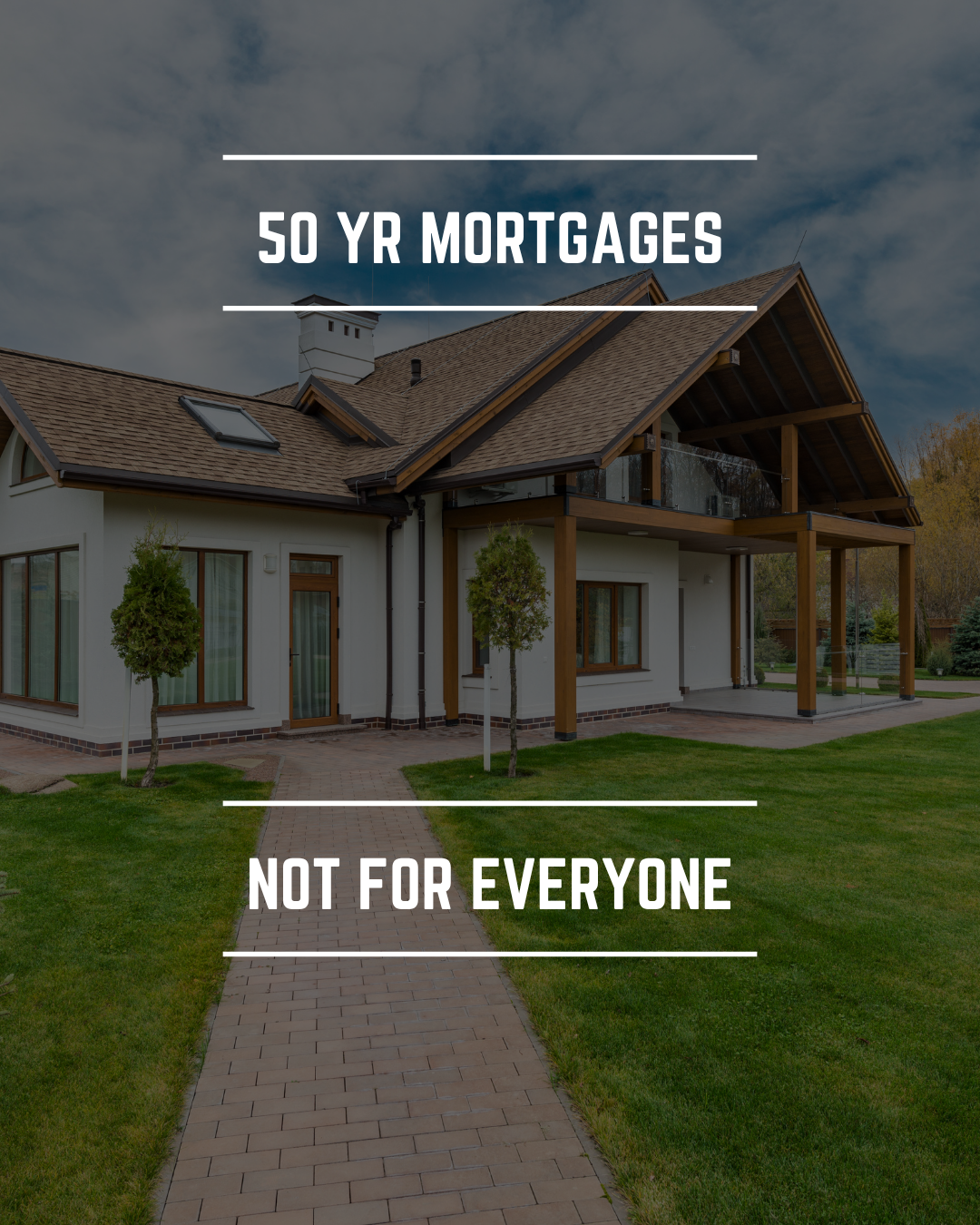
There’s a lot of noise right now about this idea of a 50-year mortgage. The headlines sound dramatic — “Terrible for America!” “Worst financial idea yet!” But here’s the thing: we’ve heard this song before. Every time something new shows up in the housing world, people panic before they pause. Yet history has a funny way of humbling the loudest critics.
Before the 1930s, if you wanted to buy a home, you either paid cash or borrowed short-term money — usually 3 to 5 years, interest-only, with a big balloon payment waiting for you at the end. Miss that payment, and you lost everything. Then came the Great Depression. Foreclosures skyrocketed. People were desperate. And President Franklin D. Roosevelt’s administration introduced something that sounded insane at the time — a long-term, fully amortized loan that stretched 15 or even 30 years.
Bankers hated it. Economists said it would “make men lazy” and “ruin thrift.” Newspapers claimed it would “destroy free enterprise.” And ordinary people couldn’t imagine owing the bank for thirty years — that was a lifetime commitment! But it worked. It stabilized the economy, gave families a chance to own, and turned homeownership from a luxury into a possibility for everyday Americans. What started as a radical idea became the backbone of the American Dream.
Now we’re back at that same kind of crossroads. A 50-year mortgage sounds wild — and for some people, it probably is. But with housing prices and interest rates both rising, many hardworking families are locked out completely. A longer-term loan could be a bridge, not a lifelong shackle. If someone plans to move, sell, or refinance within five to seven years anyway, spreading the payments out might just make that first step possible.
Because here’s the truth — whether you rent or buy, you’re paying someone’s mortgage. It’s either yours, or your landlord’s. One builds equity and stability for you. The other builds it for someone else. So if a longer loan term helps you move from paying rent to paying yourself, it might not be such a crazy idea after all.
And for all those screaming that a 50-year mortgage is detrimental to our economy or “the worst thing for the people,” keep in mind — you probably own a home today because of the 30-year mortgage option that people once said the same thing about. The very tool that built the middle class was once considered financial suicide.
Of course, it’s not a magic solution. You’re paying more interest over time, and you’ll build equity more slowly. But the real question isn’t how long the loan is — it’s how strategic you are with it. If you treat your mortgage like a tool, not a trap, and build a plan around it — paying extra when you can, staying disciplined, and knowing your exit strategy — it can work. But if you treat it like a bailout with no plan, it’ll bury you, no matter the term.
When FDR rolled out the 30-year mortgage, people swore it would ruin the nation. Instead, it built generations of stability. Maybe a 50-year mortgage isn’t the final answer, but maybe it’s another bridge in a long history of creative ways to help families own something real.
Blanket fear has never built anything great. Vision, discipline, and stewardship have. The American Dream didn’t begin with playing it safe — it began with people willing to step out and build something lasting.
What do you think? Would you consider a 50-year mortgage if it meant you could finally own instead of rent, or do you think the risk outweighs the reward?
Recent Posts





GET MORE INFORMATION